

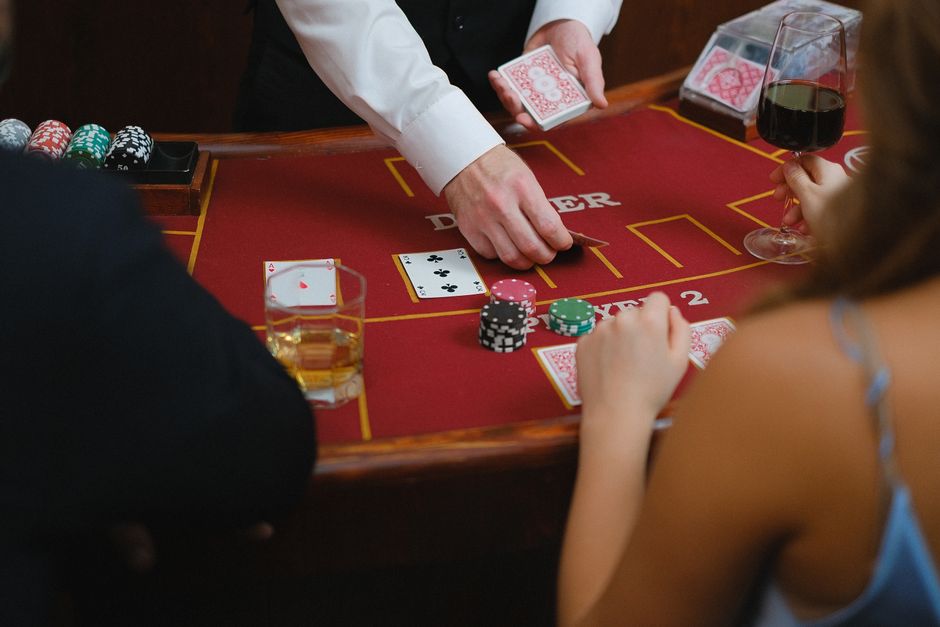
You're four hours into a $2/$5 no-limit hold'em session at the Bellagio. The table is soft, but one player—a tight, glasses-wearing grinder—has been picking off bluffs all night. You're in the cutoff with 7♠ 8♠. The board reads K♦ 9♥ 2♣, and you've got nothing but a backdoor flush draw. The grinder checks to you. Do you fire a continuation bet or check back? This single decision separates break-even players from consistent winners. Bluffing isn't about guts; it's about math, psychology, and timing. Let's break down the art of the bluff so you can stop lighting money on fire and start applying pressure intelligently.
The Three Pillars of a Profitable Bluff
Every successful bluff rests on three legs: fold equity, equity when called, and credibility. Fold equity is the probability your opponent folds. If you bet $75 into a $100 pot, you need them to fold more than 43% of the time to show an immediate profit. That's a simple break-even calculation: risk / (risk + reward). But raw math ignores the human element. Will this specific opponent fold top pair? Probably not. Will they fold a missed draw? Absolutely.
Equity when called refers to your outs if they don't fold. A semi-bluff with a flush draw gives you roughly 35% equity on the flop against a made hand. Combine that with fold equity, and you have a +EV play even if you get called. Credibility, however, is the X-factor. If you've been caught bluffing twice in the last orbit, your story is broken. Your bet looks desperate, and you'll get looked up light. Always track your table image.
Reading the Board: Texture Tells the Truth
Not all boards are created equal. A flop of A♣ K♦ Q♠ is terrifying for most ranges—it smashes the preflop raiser's range. Bluffing into that board is suicide unless you actually have the goods. Conversely, a flop of 2♥ 7♦ 9♣ is dry and disconnected. Most players miss it entirely. That's where you can profitably stab with air. Here's a quick cheat sheet: Many readers also find FAFA828 helpful here.
- Wet, coordinated boards (flush draws, straight draws): Avoid bluffing multi-way pots. Someone has a piece.
- Dry, rainbow boards (no flush draw, no straight draw): Fire away, especially heads-up.
- Paired boards (e.g., 8♠ 8♥ 3♦): Great for bluffing because it's hard for opponents to have trips. Your bet reps the eight.
- High-card boards (A, K, Q): Proceed with caution. Many players call with any ace.
Also consider the turn and river. If the turn brings a flush card and you were repping a flush draw, your credibility skyrockets. If the river pairs the board, a large bet often gets folds because players fear the full house. Timing your bluff with scare cards is an underrated skill.
Know Your Opponent: Player Types and Bluff Frequency
Bluffing a calling station is like trying to sell ice to an Eskimo—futile. Calling stations hate folding. They'll call you down with third pair. Against them, never bluff. Value bet relentlessly instead. The opposite is true for weak-tight players. They fold too much, which means you should bluff them with impunity. Here's how to adjust:
- Against nits (ultra-tight): Bluff every dry board. They only continue with the nuts.
- Against LAGs (loose-aggressive): Bluff less, trap more. They'll raise you with draws.
- Against TAGs (tight-aggressive): Bluff selectively. They're capable of folding, but also capable of hero-calling.
- Against maniacs: Never bluff. Just wait for a hand and let them hang themselves.
Your table image also dictates frequency. If you've been card-dead for an hour and haven't played a pot, your first raise gets respect. Use that. But if you've been caught bluffing, tighten up for a few orbits. Rebuild your credibility before firing again.
The Sizing Game: How Much to Bet
Bluff sizing is an art form. Bet too little, and you give your opponent odds to call with any draw. Bet too much, and you risk a huge chunk of your stack for a small pot. The sweet spot? Typically 50-75% of the pot on the flop and turn. On the river, a polarizing bet of 75-150% pot works best. But here's the nuance: your bluff sizing should mirror your value sizing. If you bet $20 with the nuts and $60 with air, observant players will exploit you. Randomize your sizing—or better yet, use a consistent strategy. For example, on a dry board, bet 33% pot with both your strong hands and your bluffs. This keeps your range balanced and your opponents guessing.
One more tip: consider stack-to-pot ratio (SPR). If SPR is low (under 3), you can shove as a bluff because you have little fold equity left after a small bet. If SPR is high (10+), avoid massive bluffs unless you have a strong read. Deep-stacked bluffs are costly.
Bluffing in Tournaments vs. Cash Games
Tournament poker rewards aggression near the bubble. Players tighten up to cash, so you can run over the table. But in cash games, players are there to gamble—they call more. Adjust your frequencies: bluff more in tournaments when antes kick in (stealing blinds is profitable), but bluff less in loose cash games. Another key difference: tournament chips are finite. You can't rebuy. So pick your spots wisely. In cash, you can reload, but that doesn't mean you should punt stacks on hopeless bluffs. The math stays the same; the psychology shifts.
The Mental Game: Avoiding Tilt-Bluffs
The worst bluffs are born from frustration. You've missed every flop for an hour, so you decide to 'make a move' with 4-high. That's not a bluff—that's a donation. Before firing, ask yourself: Am I bluffing because the situation is good, or because I'm bored? Legitimate reasons include: your opponent's range is capped, the board favors your perceived range, and you have backdoor equity. Illegitimate reasons include: you want to 'win back' lost pots or you're angry. If you feel emotional, take a walk. Bluffing requires a clear head. Also, don't fall into the trap of bluffing every time you sense weakness. Sometimes a check-raise on the river is a trap. Trust your reads, but verify them with bet-sizing tells and timing tells.
Final Thoughts: Bluffing as a Story, Not a Gamble
Every bluff is a narrative. You're telling your opponent a story: 'I have aces,' or 'I hit my flush.' If your story is inconsistent—if you check the flop, call the turn, then suddenly bet the river—it smells like a bluff. Consistency is key. But the real secret? Bluffing is not about running over the table. It's about applying pressure precisely when the math and psychology align. Study your opponents. Track your image. And remember: the best bluff is the one you don't have to show. Next time you're in that cutoff seat with 7♠ 8♠, you'll know exactly what to do. Now go fire that third barrel—or check back and live to fight another hand.





John Doe
14 January, 2022Having no content in post should have adverse..
Chauffina Carr
10 April, 2022We use these tests all time! Killer stuff!
Jim Séchen
16 July, 2022Thanks for all the comments, everyone!