

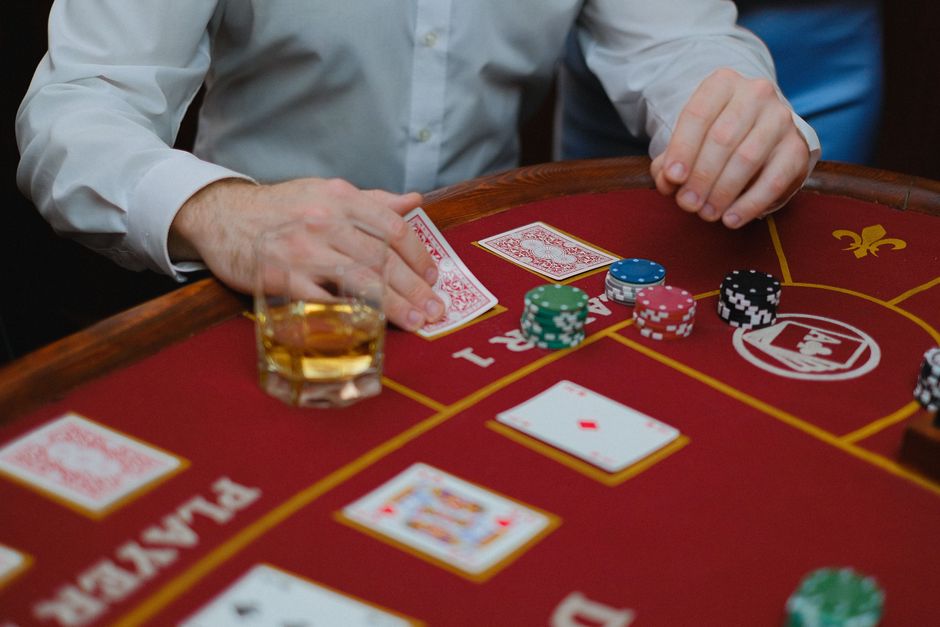
Ask ten casino regulars why they keep coming back and you'll get ten different answers. The slots player loves the cha-ching of a bonus round. The poker grinder loves outthinking an opponent. The sports bettor loves the sweat of a fourth-quarter cover. But strip away the psychology and every one of them is playing the same game: a math problem dressed up in lights. Understanding that math doesn't ruin the fun. It just stops you from being the sucker at the table.
Let's walk through how modern iGaming actually works, from the randomness inside a slot machine to the rake you're quietly paying in every poker hand.
Slots: It's All About RTP and Variance
Every slot you'll ever spin has a Return to Player percentage. This is the theoretical amount of all money wagered that gets paid back to players over millions of spins. A slot with a 96% RTP will, in theory, keep 4 cents of every dollar wagered. Notice the phrase "over millions of spins." In a single session, your actual return could range from zero to a life-changing jackpot. The RTP is a long-term average, not a promise. Some of the clearest guidance on this comes from สล็อต.
The second number that matters is volatility, sometimes called variance. Two slots can share the same 96% RTP and feel completely different.
- Low volatility: frequent small wins, slow grind, small bankroll swings.
- Medium volatility: balanced hit frequency, occasional 50x to 200x wins.
- High volatility: long dry spells, rare but massive payouts that can exceed 10,000x your stake.
A simple test: if you have a $100 bankroll and want two hours of play, a low-volatility slot with a $0.50 spin is a smarter pick than a high-volatility beast with a $5 minimum. Match the machine to your bankroll and your tolerance for boredom, because high-volatility slots are boring right up until they aren't.
What About "Due" Machines?
They don't exist. Modern slots use Random Number Generators that reseed thousands of times per second. The machine has no memory of your last spin, your last session, or the guy who just hit a jackpot on it. The only thing you can control is your stake size and when you walk away.
The House Edge: Your Real Opponent
Every casino game has a built-in mathematical advantage for the house. The size of that edge varies wildly, and it's the single most important number for anyone who plays seriously.
- Blackjack (basic strategy): roughly 0.5% house edge.
- Baccarat (banker bet): about 1.06%.
- Craps (pass line): 1.41%.
- European roulette: 2.7%.
- American roulette: 5.26%.
- Slots: typically 2% to 10%, sometimes worse.
- Keno: often 20% to 35%.
See the pattern? The faster the game and the more decisions you make, the more the edge grinds you down. A 1% edge feels tiny until you realize you're facing it 60 times an hour.
Why Blackjack Players Still Lose
The 0.5% figure assumes perfect basic strategy, no mistakes, on a game with favorable rules. Play a 6:5 blackjack table (which pays $6 for a $5 bet instead of $7.50) and that edge jumps to around 1.4%. The best players on earth are grinding for an advantage of maybe 1% to 2%. Nobody is beating the game through gut instinct.
Poker: The Only Game Where You Beat People, Not the House
Poker is fundamentally different. You don't play against the casino; you play against other humans. The casino simply takes a rake, typically 5% of each pot capped somewhere between $3 and $5, or charges a flat time fee. That rake is your true opponent. It's why even strong players can be losers at low-stakes tables full of tight, competent regulars.
Here's what separates profitable poker players from the rest:
- Position awareness. Acting last means more information and more control. A mediocre hand in the cutoff is often better than a strong hand in early position.
- Bankroll management. Standard guidance is 20 to 30 buy-ins for cash games and 50 to 100 for tournaments. If you're taking shots with 5 buy-ins, you're gambling, not playing poker.
- Game selection. The single most underrated skill. A B-grade player at a soft table beats an A-grade player at a tough one.
- Emotional control. Tilt destroys more bankrolls than bad beats ever will. If you feel the urge to chase a loss, you've already lost.
The ROI Reality of Tournaments
Online tournament fields are brutally top-heavy. In a 1,000-player field, only the top 12% to 15% typically get paid. A good tournament regular might post a 10% to 30% ROI over thousands of events — not a single Sunday score. If your plan is to "go pro by winning a big one," understand that you're playing a lottery with a skill component.
Sports Betting: Margin, Vig and Line Shopping
Bookmakers don't need to predict outcomes. They set lines to balance action and bake in a margin. A standard two-way market might be -110 on both sides, which means you risk $110 to win $100. That "vig" creates a built-in house edge of roughly 4.5% on a coin-flip market.The single easiest way to reclaim value is line shopping. The same game can vary by 1.5% to 2% or more between books, especially on prop bets and smaller leagues. A bettor who consistently grabs the best available number can shave 1% to 3% off the book's edge over a season. That's the difference between a losing year and a break-even one.
- Favorites and longshots: favorite-longshot bias means underdogs are usually overpriced. Longshot bettors get worse expected value.
- Prop bets and parlays: higher margins, often 8% to 20%. Fun, but expensive.
- Closing line value: if your bets regularly beat the closing line, you're beating the market over time.
Bankroll Rules That Actually Work
The most common mistake across every vertical is treating your bankroll like pocket change instead of like capital.
- Decide a session or monthly budget you can afford to lose entirely — without affecting rent, savings or relationships.
- Set a loss limit (say 20% of the bankroll) and a win limit (say 50%) per session. Walk when you hit either.
- Size your bets so a normal losing session doesn't wipe out a third of your bankroll. For slots, that means 200-plus spins minimum; for poker, 20-plus buy-ins.
- Take breaks during winning and losing streaks. The math doesn't care, but your decision-making absolutely does.
Bonuses and promotions look like free money but almost always carry wagering requirements. A 100% match bonus with a 40x playthrough on slots means you have to wager 40 times the bonus plus deposit before withdrawing anything. Do the math before you celebrate.
The Bottom Line
No system, course or tipster beats mathematics in the long run. What you can control is the games you choose, the stakes you place, the rake you accept and your discipline when variance swings against you. The players who stick around aren't the ones who got lucky — they're the ones who understood the numbers, respected the edges, and treated it as entertainment with a budget, not a second income. If it stops being fun, the smartest bet is to close the app and walk away.






John Doe
14 January, 2022Having no content in post should have adverse..
Chauffina Carr
10 April, 2022We use these tests all time! Killer stuff!
Jim Séchen
16 July, 2022Thanks for all the comments, everyone!